


Healthcare equipment
Whole-body cryotherapy equipment for a healthcare practice
Approximately $229,000 · 60–72 months
Read the project →Healthcare equipment
Medical and imaging equipment leasing in the U.S.: CT, MRI, X-ray, ultrasound and dental systems, with site preparation, accreditation and service questions.
Medical equipment leasing lets a practice use specified equipment under a payment agreement. Compare a lease, a stated purchase option and an equipment loan using the same device quote, service scope and planned use period. Leaseworld can help describe the project for a financing discussion; the provider assesses the signing entity and sets any actual terms.
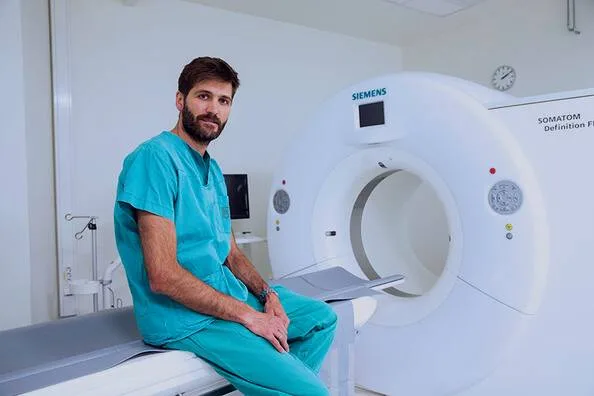
The following are examples to identify in an equipment inquiry. The exact assets, supplier and intended use determine the scope to be reviewed.
A practice opening, a replacement system and an additional service line require different project plans. Identify the practice or institutional entity, the clinical use and who will authorize the acquisition. Patient volume and reimbursement assumptions should remain separate from the equipment specification.
Start with the outcome you want. A lease may suit a defined period of use with a documented return, renewal or purchase route. A purchase-oriented agreement may fit equipment you intend to retain. An equipment loan is a separate borrowing arrangement supporting acquisition; compare its full obligations with the lease proposal.
An FMV purchase option uses the value determined under the agreement, not a pre-agreed nominal buyout. A stated buyout should be checked for any fees, conditions and title-transfer requirements. None of these labels determines the tax or accounting treatment on its own.
Site preparation can include shielding, cooling, power, access routes and installation by qualified specialists. Distinguish delivery, commissioning, training and acceptance. Keep the equipment quote separate from construction, consumables and recurring service charges.
Suppliers should explain what the system includes, which accessories are required and what the warranty covers. Financing does not establish device authorization, facility licensing or suitability for a clinical procedure; the purchasing team must handle those questions through its normal review.
Start with the clinical service the practice wants to add or maintain, then compare how it will acquire the equipment. For an ultrasound system that may be replaced as capabilities change, discuss a lease with documented return or purchase choices. For a dental chair or imaging system the practice intends to keep, compare a stated purchase option or an equipment loan, including the full ownership conditions. The equipment name alone does not determine the structure.
For a new practice or a new imaging service, separate the expected exam volume from established collections. Show which figures are operating history and which are forecasts, and explain any documented referral or service contracts without sending patient information. A hospital affiliation is useful context but does not make the hospital responsible for the payments unless it has made a contractual commitment.
Compare the requested term with the service support available for that exact system. Ask whether a detector, tube, probe or workstation is included, which failures are excluded from maintenance, and what happens to payment obligations during a repair. Itemize the device, installation, room work, software rights, training and recurring services; a financing provider decides which costs it can include.
CT, MRI, X-ray and ultrasound projects differ more in site work and oversight than in paperwork. An MRI magnet attracts metal objects strongly enough to turn them into projectiles, so the room design, access control and screening of people and objects are part of the project, not an afterthought. CT and X-ray rooms raise their own shielding, power and cooling questions; ask the supplier for its site-planning requirements before the quote is final.
The FDA regulates manufacturers of X-ray equipment through federal performance standards, while states and other agencies regulate how the equipment is used, including personnel qualifications, quality control and facility accreditation. A financing conversation does not replace those steps; the practice handles them with its own advisers.
For Medicare physician-fee-schedule payment, a supplier billing the technical component of advanced diagnostic imaging (MRI, CT and nuclear medicine such as PET) must be accredited by a CMS-designated organization: the American College of Radiology, the Intersocietal Accreditation Commission, The Joint Commission or RadSite. CMS lists X-ray, ultrasound, fluoroscopy and mammography outside that ADI category. Hospitals are subject to separate Medicare participation requirements, and private payers set their own rules. If the scanner will serve Medicare patients, put the accreditation timeline in the project plan next to delivery and installation.
For a refurbished system, ask who did the work and what was done. The FDA's 2024 guidance on remanufacturing distinguishes servicing a device from remanufacturing it, and the records behind a refurbished scanner help the supplier, the practice and a financing partner understand its condition.
Ask how service coverage, software rights, major component replacement and eventual removal work over the planned term. Refurbished equipment needs a clear condition and service record. Data-bearing systems also need an agreed process for removing patient and business information.
Request separate amounts for equipment, accessories, freight, installation, software and services. Add expected insurance, maintenance and end-of-term logistics to your internal budget. Keep uncertain costs visible instead of assuming they disappear inside a monthly payment.
For an owned asset, sale-leaseback is a different transaction: ownership, existing liens, valuation and the proposed sale proceeds need review. For a used purchase, add the inspection and service history. A requested amount is a project estimate, not an approved financing limit.
Many equipment finance providers review a project case by case. The reviewer looks at the entity that will sign and how it has handled past obligations, its capacity to carry the payments, the capital behind it, the equipment as security and the conditions around the project. Each provider applies its own criteria; this website does not publish them.
The practice's operating history, the clinicians behind it and any hospital or health-system relationship are part of the picture. A recognized affiliation helps only when that organization is actually a party to the agreement or a documented contractual counterparty.
Say early which legal entity would sign and what stands behind the project: a signed customer contract, a parent company, an investor or an institutional end user. Some providers can take this into account, but only if it is mentioned. A project that does not match one provider's focus is a question of fit, not a verdict on the business.
Send your business contact details, equipment description, installation state, approximate USD budget and timing. An itemized supplier quote is useful when available. Financial statements and sensitive credit documents belong in the financing provider’s approved application channel if the project progresses.
It can be discussed, subject to the asset and supplier review. Provide age, condition, service history, ownership information and the proposed price. There is no automatic approval based on age or equipment category.
List those costs separately on the quote. The provider decides which costs can be included in the specific arrangement. Building work, subscriptions and future services should not be assumed eligible simply because they accompany equipment.
No. Read the title, purchase-option and end-of-term clauses. Return, renewal, a nominal buyout and purchase at fair market value are different outcomes and must be documented.
Yes. A newer business should expect more questions about its owners, invested capital and contracts, not an automatic refusal. If an established customer, parent company or backer supports the project, describe that commitment factually in the inquiry. The financing provider decides what it can take into account.
Yes. A supplier can share its quote and describe the project, while the business acquiring the equipment remains the applicant and the financing partner makes its own assessment. Suppliers should explain what the system includes, which accessories are required and what the warranty covers. Financing does not establish device authorization, facility licensing or suitability for a clinical procedure; the purchasing team must handle those questions through its normal review.
Compare the planned use period with the exact system’s service support, software rights and intended return or ownership outcome. Separate established collections from forecasts for a new service. A longer proposed term should not be chosen only to reduce the monthly payment; compare all payments, fees and end-of-term costs in documented proposals.
No. Describe the intended examinations, expected volume, equipment quote and signing practice. Mark forecasts clearly and ask which acquisition options can be considered. Leaseworld has documented a radiography project assessment for a moderate-volume care center; that assessment supplied a comparison basis and did not establish a financing approval or equipment installation.
Sources checked 2026-10-30. General information does not establish eligibility or the terms of a particular offer.
Healthcare equipment
Approximately $229,000 · 60–72 months
Read the project →Healthcare equipment
$57,300–$115,000 · 60 months
Read the project →Healthcare equipment
$57,300–$115,000 · 60 months
Read the project →Tell us about your project
Send us your project or equipment quote.
Our team will follow up to discuss it with you.