


Industrial & manufacturing
Hazardous-waste treatment line: coordinating a $1.1 million+ equipment project
More than $1.1 million · 84 months
Read the project →Logistics equipment
Forklift and warehouse equipment financing: lift trucks, attachments, charging, conveyors and racking, OSHA operator rules and fleets that change mid-term.
Material handling equipment financing starts with the warehouse task: trucks for moving loads, or a fixed system for storage and throughput. Compare a lease, a stated purchase option and an equipment loan on the same asset list, expected hours, service scope and end-of-term plan. Leaseworld can help frame the inquiry; the financing provider reviews the signing business and sets any offer terms.
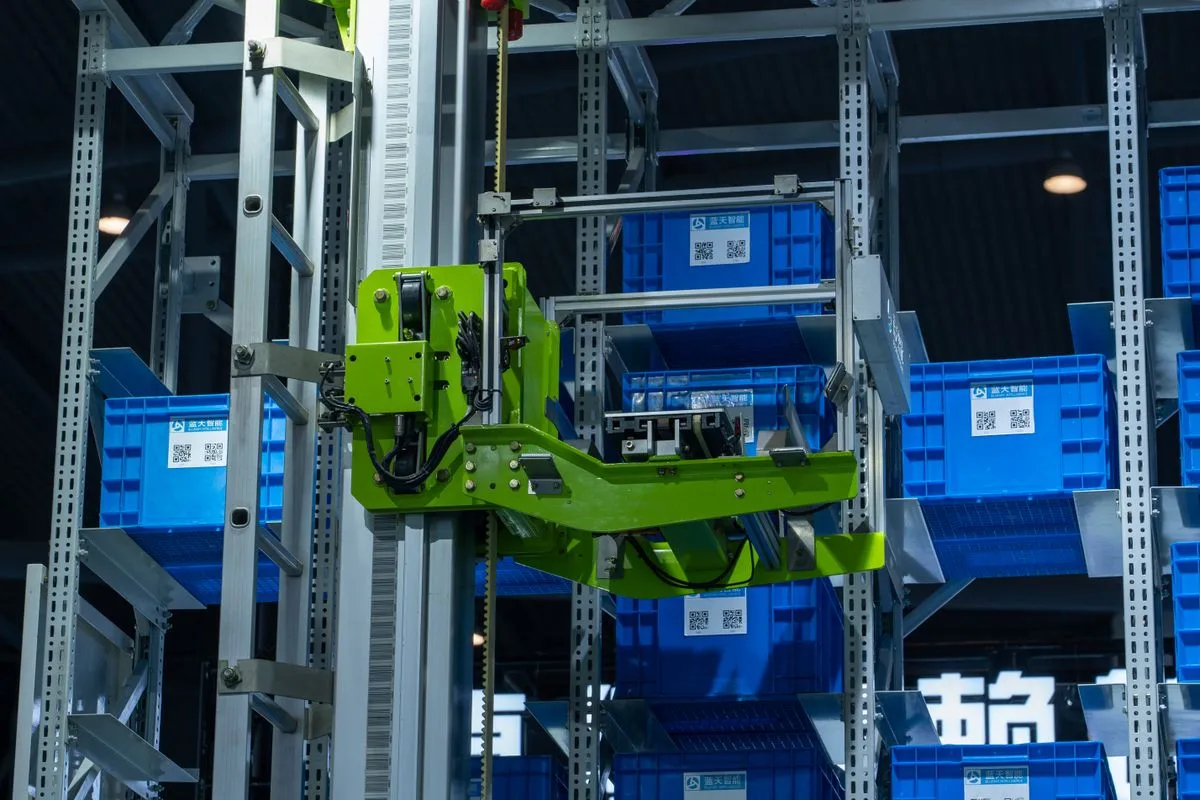
The following are examples to identify in an equipment inquiry. The exact assets, supplier and intended use determine the scope to be reviewed.
Start with the flow of goods: load weight, lift height, aisle layout, shifts and expected throughput. An additional forklift and an automated warehouse installation have different scope and commissioning requirements. Identify any capacity assumptions that still need operational testing.
Start with the outcome you want. A lease may suit a defined period of use with a documented return, renewal or purchase route. A purchase-oriented agreement may fit equipment you intend to retain. An equipment loan is a separate borrowing arrangement supporting acquisition; compare its full obligations with the lease proposal.
An FMV purchase option uses the value determined under the agreement, not a pre-agreed nominal buyout. A stated buyout should be checked for any fees, conditions and title-transfer requirements. None of these labels determines the tax or accounting treatment on its own.
For integrated systems, map the sequence from installation to testing with warehouse software. Floor conditions, charging infrastructure, fire protection and building access may affect the schedule. Equipment financing should not be assumed to include every site modification.
Suppliers should quote the equipment, installation, control software and maintenance separately. For automation, identify the integrator responsible for the full system and the performance criteria used at acceptance.
For a forklift fleet, compare a lease with return conditions against a stated purchase option or an equipment loan using the same trucks, attachments and expected hours. A short customer contract or seasonal peak may also justify comparing rental before taking on a longer payment commitment. Ask what happens to payments and service costs if a truck is unavailable; the maintenance agreement and financing documents can create separate obligations.
For conveyors, racking or automation, start with a milestone plan: equipment supply, site work, integration and acceptance. Identify the party responsible for testing the complete system. Supplier deposits and progress payments may fall before the installation can be accepted, so ask how each would be handled before committing to the supplier schedule.
Name the warehouse operator that would sign, then describe any customer contract supporting the investment and how long it runs. A customer logo or a parent company name is context, not a payment commitment. A newer operator can explain its experience, invested capital and documented contracts so the discussion starts with the actual project.
OSHA's powered industrial truck standard, 29 CFR 1910.178, covers forklifts and lift trucks, whether ridden or controlled by a walking operator. Before anyone operates a truck outside of training, the employer must ensure the operator has completed training and an evaluation in the workplace, certify it with the operator's name, the training and evaluation dates and the trainer, and repeat the performance evaluation at least once every three years. Training covers the types of truck the operator will be authorized to use, so a new model type or an unfamiliar attachment belongs in the rollout plan, not only in the delivery schedule.
The same standard says the user must not make modifications or additions that affect capacity and safe operation without the manufacturer's prior written approval, and the capacity plates must then be changed accordingly. A truck fitted with a front-end attachment that was not installed at the factory should be marked to identify it and show the approximate weight of the combination. When a quote combines trucks with clamps, rotators, side shifters or fork positioners from another source, ask the dealer which plates and approvals each combination will carry at delivery.
Battery charging must take place in areas designated for it, with facilities for flushing and neutralizing spilled electrolyte, fire protection, protection of the chargers from trucks and ventilation for fumes from gassing batteries. Moving to electric trucks or a different battery technology can therefore involve building work and electrical capacity that sit outside the equipment quote; price them separately and agree who delivers them.
A warehouse rarely keeps the same fleet for the whole term. Volumes change with customer contracts, a site opens or closes, and some trucks run several shifts while others sit idle. Before signing, ask whether trucks can be added on separate schedules under a master agreement, whether a unit can move to another facility, and what notice applies. Where the agreement sets return conditions, items such as hours of use, tire and fork wear and battery condition shape the cost at the end; read them alongside the expected number of shifts.
Conveyors, sortation, automated storage and racking are different from lift trucks. They are installed into one building, depend on the warehouse management system and are expensive to dismantle. A financing partner tends to read them as site-specific equipment, so the occupancy of the building, the customer contracts the system will serve and the integrator responsible for acceptance matter as much as the hardware list.
Battery condition, service records and operating hours affect the practical end-of-term plan. Ask about repairs, replacement batteries, movement between facilities and return logistics. A fixed conveyor or racking system can have significant dismantling costs.
Request separate amounts for equipment, accessories, freight, installation, software and services. Add expected insurance, maintenance and end-of-term logistics to your internal budget. Keep uncertain costs visible instead of assuming they disappear inside a monthly payment.
For an owned asset, sale-leaseback is a different transaction: ownership, existing liens, valuation and the proposed sale proceeds need review. For a used purchase, add the inspection and service history. A requested amount is a project estimate, not an approved financing limit.
Many equipment finance providers review a project case by case. The reviewer looks at the entity that will sign and how it has handled past obligations, its capacity to carry the payments, the capital behind it, the equipment as security and the conditions around the project. Each provider applies its own criteria; this website does not publish them.
Warehouse and logistics contracts, and the customers behind them, show how the fleet will be used and paid for. Lift trucks from mainstream manufacturers trade on an established secondary market; automated systems built into one building do not.
Say early which legal entity would sign and what stands behind the project: a signed customer contract, a parent company, an investor or an institutional end user. Some providers can take this into account, but only if it is mentioned. A project that does not match one provider's focus is a question of fit, not a verdict on the business.
Send your business contact details, equipment description, installation state, approximate USD budget and timing. An itemized supplier quote is useful when available. Financial statements and sensitive credit documents belong in the financing provider’s approved application channel if the project progresses.
It can be discussed, subject to the asset and supplier review. Provide age, condition, service history, ownership information and the proposed price. There is no automatic approval based on age or equipment category.
List those costs separately on the quote. The provider decides which costs can be included in the specific arrangement. Building work, subscriptions and future services should not be assumed eligible simply because they accompany equipment.
No. Read the title, purchase-option and end-of-term clauses. Return, renewal, a nominal buyout and purchase at fair market value are different outcomes and must be documented.
Yes. A newer business should expect more questions about its owners, invested capital and contracts, not an automatic refusal. If an established customer, parent company or backer supports the project, describe that commitment factually in the inquiry. The financing provider decides what it can take into account.
Yes. A supplier can share its quote and describe the project, while the business acquiring the equipment remains the applicant and the financing partner makes its own assessment. Suppliers should quote the equipment, installation, control software and maintenance separately. For automation, identify the integrator responsible for the full system and the performance criteria used at acceptance.
Yes, the project can be described that way. State the number of shifts and the expected hours per truck, because hours drive maintenance, battery life and, under a lease with return conditions, what the truck is expected to look like at the end of the term. A provider sets its own terms for usage and return.
No. Under OSHA 29 CFR 1910.178(l), the employer must ensure each operator is trained, evaluated and certified before operating a powered industrial truck outside of training, whoever owns the truck. A dealer or lessor may offer training, but the certification obligation stays with the employer.
Sources checked 2026-10-13. General information does not establish eligibility or the terms of a particular offer.
Industrial & manufacturing
More than $1.1 million · 84 months
Read the project →
Industrial & manufacturing
Close to $1.1 million · Project-specific
Read the project →Industrial & manufacturing
Approximately $688,000 · 72 months
Read the project →Tell us about your project
Send us your project or equipment quote.
Our team will follow up to discuss it with you.