

Construction equipment
Construction equipment financing for a busy contractor
Approximately $688,000 · 60 months
Read the project →Construction & contractors
Construction equipment leasing and financing: excavators, cranes, lifts and loaders, with OSHA crane rules, California fleet rules and service contracts.
A business can explore leasing for construction & contractors equipment to use the assets over an agreed term in exchange for payments. Compare the equipment scope, delivery plan, payment commitment and documented return or ownership outcome.
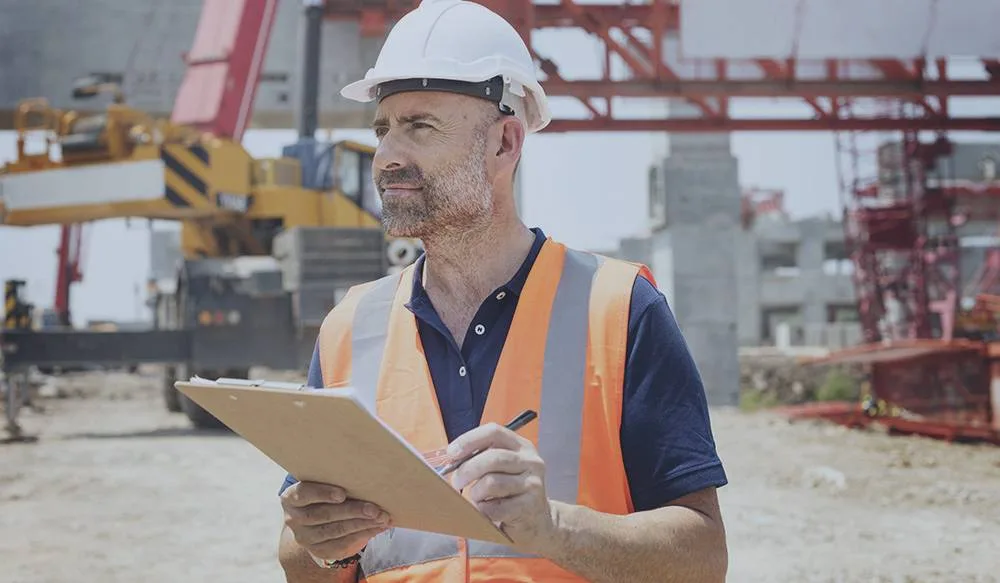
The following are examples to identify in an equipment inquiry. The exact assets, supplier and intended use determine the scope to be reviewed.
A contractor should connect the equipment purchase to the work it expects to perform. Distinguish a long-term fleet addition from a machine needed for one contract. For short or uncertain usage, compare rental with a longer financing commitment and include transport between job sites in the operating budget.
Start with the outcome you want. A lease may suit a defined period of use with a documented return, renewal or purchase route. A purchase-oriented agreement may fit equipment you intend to retain. An equipment loan is a separate borrowing arrangement supporting acquisition; compare its full obligations with the lease proposal.
An FMV purchase option uses the value determined under the agreement, not a pre-agreed nominal buyout. A stated buyout should be checked for any fees, conditions and title-transfer requirements. None of these labels determines the tax or accounting treatment on its own.
Record model, serial number when available, hours, inspection results and included attachments. Used equipment may need an independent condition report. Clarify delivery to the yard or job site, insurance responsibility and who confirms acceptance if the operator and purchaser are different people.
Dealers can make the project easier to assess by separating the machine, attachments, warranty, delivery and service plan. Trade-in proceeds and any balance on the existing machine belong in separate lines so that the replacement budget is understandable.
Under OSHA's construction crane standard, 29 CFR 1926.1427, the employer must ensure that each operator is trained, certified or licensed, and evaluated before operating covered equipment; derricks, sideboom cranes and equipment rated 2,000 pounds or less are among the listed exceptions. Certification can come from an accredited testing organization, an audited employer program or, where one applies, a state or local license, and it is issued by equipment type, or by type and capacity. The employer must also document its own evaluation of each operator, including the make, model and configuration of the equipment used. Adding a crane of a new type or capacity to the fleet can therefore require new certifications and evaluations before the machine goes to work. These obligations stay with the employer whoever owns the crane.
The inspection rule, 29 CFR 1926.1412, calls for a visual inspection by a competent person before each shift, a documented monthly inspection kept for at least three months, and an inspection by a qualified person at least every 12 months, documented and kept for at least 12 months. Equipment idle for three months or more is inspected before it is used again. For a used crane, ask whether the latest annual inspection record and the repairs made since are available: they give the buyer, the insurer and a financing partner a common picture of its condition.
Aerial lifts follow 29 CFR 1926.453, which covers vehicle-mounted devices such as extensible and articulating boom platforms, aerial ladders and vertical towers. A lift may be field modified for uses the manufacturer did not intend only if the modification is certified in writing by the manufacturer or an equivalent entity, and only authorized persons may operate it. For earthmoving machines, 29 CFR 1926.1001 sets rollover protective structure criteria for scrapers, loaders, dozers, crawler tractors, motor graders, compactors and rubber-tired skid steers. A modified boom or a repaired cab on a used unit is a question to put to the dealer before the quote is final.
Some rules depend on where a machine works, not where it was bought. California's In-Use Off-Road Diesel-Fueled Fleets Regulation applies to self-propelled off-road diesel vehicles of 25 horsepower or more used in California, including rented and leased vehicles. Vehicles must be reported to the California Air Resources Board (CARB), which can be done through its DOORS online system, and labeled within 30 days of receiving their equipment identification number.
Under the 2022 amendments, Tier 3 and Tier 4 interim vehicles may no longer be added to large and medium fleets since January 1, 2024; small fleets cannot add Tier 3 vehicles since 2024, and the Tier 4 interim restriction reaches them in 2028. Fleets subject to the rule must use R99 or R100 renewable diesel, with limited exceptions. Since January 1, 2024, prime contractors and public works awarding bodies must obtain a valid Certificate of Reported Compliance before awarding or renewing a contract, and the regulation requires a disclosure when a vehicle is sold.
For an equipment project, the engine's emission tier is therefore part of the equipment description. A used excavator that makes sense for work in one state may not be a machine a California fleet can add, and a contractor that moves machines into California for a job takes on reporting and fuel obligations there. CARB's program is one state's rule, not a national standard, and other states or local air districts can have their own; check the rules where the machine will work before choosing it.
Operating hours, undercarriage wear, maintenance records and attachment condition matter at return or resale. Ask about movement between states and use by subcontractors. A project ending early does not automatically end the equipment agreement.
Request separate amounts for equipment, accessories, freight, installation, software and services. Add expected insurance, maintenance and end-of-term logistics to your internal budget. Keep uncertain costs visible instead of assuming they disappear inside a monthly payment.
For an owned asset, sale-leaseback is a different transaction: ownership, existing liens, valuation and the proposed sale proceeds need review. For a used purchase, add the inspection and service history. A requested amount is a project estimate, not an approved financing limit.
Many equipment finance providers review a project case by case. The reviewer looks at the entity that will sign and how it has handled past obligations, its capacity to carry the payments, the capital behind it, the equipment as security and the conditions around the project. Each provider applies its own criteria; this website does not publish them.
Awarded contracts, the project owners behind them and the backlog show where the machine will earn its keep. A mainstream machine with documented hours is generally easier to value than a specialized attachment or a heavily modified unit.
Say early which legal entity would sign and what stands behind the project: a signed customer contract, a parent company, an investor or an institutional end user. Some providers can take this into account, but only if it is mentioned. A project that does not match one provider's focus is a question of fit, not a verdict on the business.
Send your business contact details, equipment description, installation state, approximate USD budget and timing. An itemized supplier quote is useful when available. Financial statements and sensitive credit documents belong in the financing provider’s approved application channel if the project progresses.
It can be discussed, subject to the asset and supplier review. Provide age, condition, service history, ownership information and the proposed price. There is no automatic approval based on age or equipment category.
List those costs separately on the quote. The provider decides which costs can be included in the specific arrangement. Building work, subscriptions and future services should not be assumed eligible simply because they accompany equipment.
No. Read the title, purchase-option and end-of-term clauses. Return, renewal, a nominal buyout and purchase at fair market value are different outcomes and must be documented.
Yes. A newer business should expect more questions about its owners, invested capital and contracts, not an automatic refusal. If an established customer, parent company or backer supports the project, describe that commitment factually in the inquiry. The financing provider decides what it can take into account.
Yes. A supplier can share its quote and describe the project, while the business acquiring the equipment remains the applicant and the financing partner makes its own assessment. Dealers can make the project easier to assess by separating the machine, attachments, warranty, delivery and service plan. Trade-in proceeds and any balance on the existing machine belong in separate lines so that the replacement budget is understandable.
Ask the dealer to quote it on its own line. A service or maintenance agreement is a separate obligation from the machine, often priced on hours of use, and the agreement should say who pays for repairs, wear parts and downtime during the term. The financing provider decides whether it can include the service charges; if it cannot, budget them next to the payments.
No. Under OSHA 29 CFR 1926.1427, the employer must ensure each operator of covered cranes is trained, certified or licensed, and evaluated, whoever owns the crane. Certification is by equipment type, or type and capacity, so a crane of a new type can require new certifications before it goes to work.
Sources checked 2026-10-20. General information does not establish eligibility or the terms of a particular offer.
Construction equipment
Approximately $688,000 · 60 months
Read the project →
Construction equipment
Approximately $287,000 · 60 months
Read the project →Construction equipment
$115,000–$229,000 · 60 months
Read the project →Tell us about your project
Send us your project or equipment quote.
Our team will follow up to discuss it with you.