

Industrial & manufacturing
Hazardous-waste treatment line: coordinating a $1.1 million+ equipment project
More than $1.1 million · 84 months
Read the project →Operational equipment
Cleaning machine and workshop equipment financing: scrubber dryers, sweepers, pressure washers, compressors and power tools for contractors and service fleets.
Cleaning machines and workshop tools share some acquisition questions, but their use, servicing and installation differ. Explore dedicated guides for cleaning fleets and workshop machinery before preparing a supplier quote.
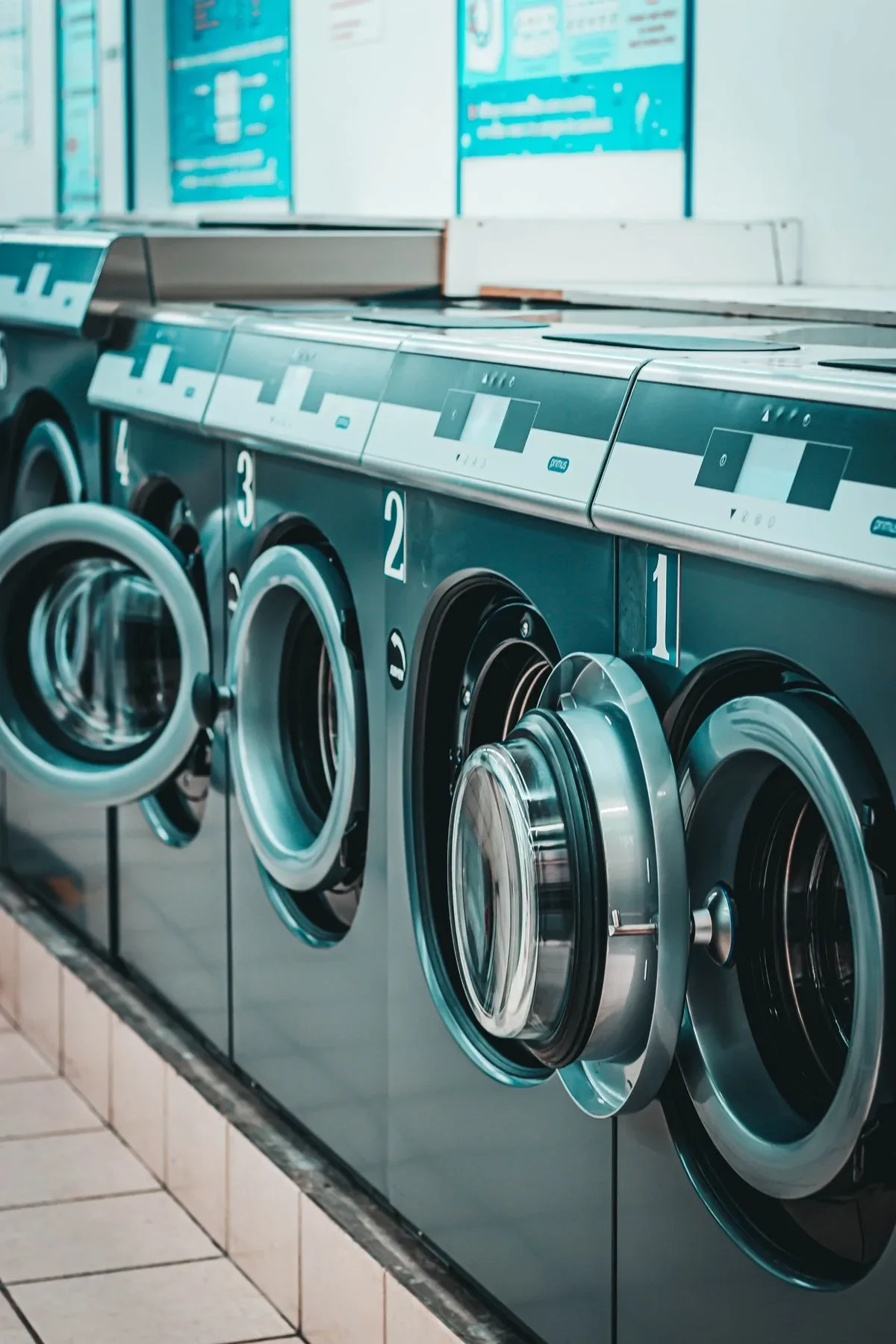
The following are examples to identify in an equipment inquiry. The exact assets, supplier and intended use determine the scope to be reviewed.
A cleaning contractor should connect its machine purchase to the locations and shifts it serves. A workshop project should identify the specific production or maintenance tasks. Separate durable assets from chemicals, consumables and ordinary operating supplies.
Start with the outcome you want. A lease may suit a defined period of use with a documented return, renewal or purchase route. A purchase-oriented agreement may fit equipment you intend to retain. An equipment loan is a separate borrowing arrangement supporting acquisition; compare its full obligations with the lease proposal.
An FMV purchase option uses the value determined under the agreement, not a pre-agreed nominal buyout. A stated buyout should be checked for any fees, conditions and title-transfer requirements. None of these labels determines the tax or accounting treatment on its own.
Confirm floor or surface compatibility, transport, charging and operator training. For a package of smaller tools, record quantities and identifying details. Delivery to multiple customer premises needs a reliable acceptance process.
Distributors should show what is included in each package and separate service contracts. Expected useful life and repair support are especially relevant to heavily used machines.
Track where the equipment is stored and who is responsible for maintenance or damage. End-of-term obligations may include batteries, chargers and accessories. A customer contract ending does not automatically remove the business’s equipment obligations.
Request separate amounts for equipment, accessories, freight, installation, software and services. Add expected insurance, maintenance and end-of-term logistics to your internal budget. Keep uncertain costs visible instead of assuming they disappear inside a monthly payment.
For an owned asset, sale-leaseback is a different transaction: ownership, existing liens, valuation and the proposed sale proceeds need review. For a used purchase, add the inspection and service history. A requested amount is a project estimate, not an approved financing limit.
Many equipment finance providers review a project case by case. The reviewer looks at the entity that will sign and how it has handled past obligations, its capacity to carry the payments, the capital behind it, the equipment as security and the conditions around the project. Each provider applies its own criteria; this website does not publish them.
For a cleaning contractor, the facility contracts behind the fleet and their remaining duration are the natural context. For a workshop, describe the customer base and the trade experience of the people running it.
Say early which legal entity would sign and what stands behind the project: a signed customer contract, a parent company, an investor or an institutional end user. Some providers can take this into account, but only if it is mentioned. A project that does not match one provider's focus is a question of fit, not a verdict on the business.
Send your business contact details, equipment description, installation state, approximate USD budget and timing. An itemized supplier quote is useful when available. Financial statements and sensitive credit documents belong in the financing provider’s approved application channel if the project progresses.
It can be discussed, subject to the asset and supplier review. Provide age, condition, service history, ownership information and the proposed price. There is no automatic approval based on age or equipment category.
List those costs separately on the quote. The provider decides which costs can be included in the specific arrangement. Building work, subscriptions and future services should not be assumed eligible simply because they accompany equipment.
No. Read the title, purchase-option and end-of-term clauses. Return, renewal, a nominal buyout and purchase at fair market value are different outcomes and must be documented.
Yes. A newer business should expect more questions about its owners, invested capital and contracts, not an automatic refusal. If an established customer, parent company or backer supports the project, describe that commitment factually in the inquiry. The financing provider decides what it can take into account.
Yes. A supplier can share its quote and describe the project, while the business acquiring the equipment remains the applicant and the financing partner makes its own assessment. Distributors should show what is included in each package and separate service contracts. Expected useful life and repair support are especially relevant to heavily used machines.
Industrial & manufacturing
More than $1.1 million · 84 months
Read the project →
Industrial & manufacturing
Close to $1.1 million · Project-specific
Read the project →Industrial & manufacturing
Approximately $688,000 · 72 months
Read the project →Tell us about your project
Send us your project or equipment quote.
Our team will follow up to discuss it with you.